
Last year, when I had taken kids to the Juilliard summer music program, I was chatting with a group of parents. Knowing that I teach music they all had a common question. How to keep children interested in music and to get them to practice. I thought of sharing some useful tips on this topic, through this blog.
A musician becomes skillful in playing only through hours of deliberate practice. Be it gifted or regular child, hard work is the ultimate barometer for success. But, it is indeed a challenge for parents and teachers alike to keep children interested in music.
For Parents:
Appreciating music starts at home
Listening to music at home or at concerts are important. Introducing different genres (classical, jazz, pop, rock, hip hop, etc) of music to children from a very young age will increase their interest in music. At home, we have different timings where we play different styles of music, for example a particular genre of music while cooking, and a different style while cleaning and so forth. So much so, just by listening to the music my daughters know what activity is going on in the house. We also ask simple questions to our daughters like what style of music they are listening to and what are the instruments played and so forth.
Practice schedule
Making time for practice in the kids’ regular schedule is important. Yes, consistency is key for music practice. But, it is advisable not to overwhelm a 6-year-old beginner with 30 minutes of practice every day. If the child is self-motivated then it is great, otherwise it simply won’t work. The best way of introducing practice is to start with 10 minutes per day and keep increasing the time slowly. Children these days are packed with activities and hardly find time for practicing.This is generally common with high school children. In that case I ask them to break down their practice time – for example 15 minutes before dinner and 15 minutes before play and so on. This method has worked effectively. Also, any skilful teacher should be able to lend a helping hand to parents by motivating the students and getting them to practice on a regular basis.
For Teachers:
Child Psychology
From a teacher’s perspective, the choice of age-appropriate pieces that suit the interest and abilities of a child is important.Taking a course on this is key. This could be learned from experience also but what we learn through the course helps you build a better curriculum, based on the development of a child and choosing the right material for them. This was one of my favorite courses at Berklee’s Music Education Program, and that helped me a lot.
Group activities
Children enjoy activities done in groups rather than individually. If you are doing a sight-reading workout or, musicianship or theory or improvisation activities with your students make it a group class and provide them with activities that would keep them interested based on age group and difficulty level. This has been a very important part of my teaching that I have found helpful for many years in keeping children interested in music.
Relating music to other art forms
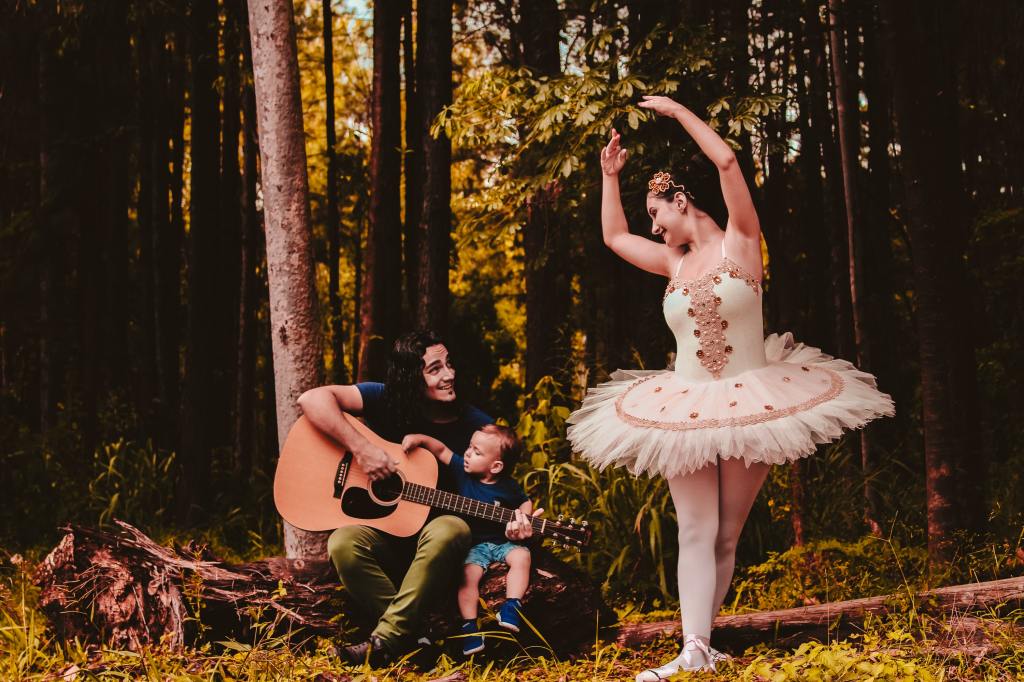
This idea of combining art and dance to music in lessons and performances was put into practice after seeing my older daughter flapping her ballet foot and twirling around the piano every time I play Chopin’s Fantasie Impromptu on the piano. This is something that I discuss in the group classes regularly. And recently, applied it in our student performance and it is indeed amazing to see the way kids connect to music through dance and art. You can definitely find a boost in their interest in this kind of learning. Allowing children to be creative is important here. For example, you can use Tchaikovsky’s nutcracker ballet music and make children perform in their instrument and ask a dancer from the group to creatively express, interpret and dance. By doing this the instrumentalist will also learn to make a beautiful connection to the dancer. You can do the same with artists as well. This area will be explained more in-depth in my upcoming blogs with children’s performance videos.
Summary:
In summary, musicians achieve ultimate perfection through hard work, but children do not always appreciate hard work. To keep children interested in music it is our responsibility as parents and teachers to introduce fun ways of learning through different methods mentioned above. Happy learning!

 Serena Anthony Music Academy