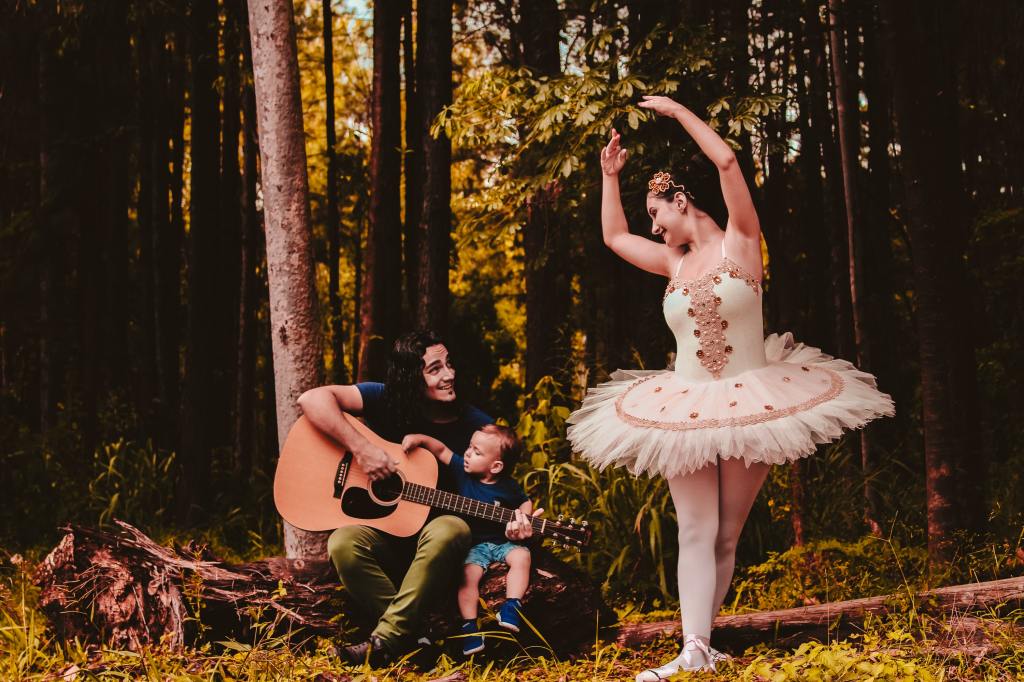
Instilling a Passion For Music

photo by Ronaldo Oliveira

Last year, when I had taken kids to the Juilliard summer music program, I was chatting with a group of parents. Knowing that I teach music they all had a common question. How to keep children interested in music and to get them to practice. I thought of sharing some useful tips on this topic, through this blog.

A musician becomes skillful in playing only through hours of deliberate practice. Be it gifted or regular child, hard work is the ultimate barometer for success. But, it is indeed a challenge for parents and teachers alike to keep children interested in music. 

For Parents:

Appreciating music starts at home

Listening to music at home or at concerts are important. Introducing different genres (classical, jazz, pop, rock, hip hop, etc) of music to children from a very young age will increase their interest in music. At home, we have different timings where we play different styles of music, for example a particular genre of music while cooking, and a different style while cleaning and so forth. So much so, just by listening to the music my daughters know what activity is going on in the house. We also ask simple questions to our daughters like what style of music they are listening to and what are the instruments played and so forth.

Practice schedule

Making time for practice in the kids’ regular schedule is important. Yes, consistency is key for music practice. But, it is advisable not to overwhelm a 6-year-old beginner with 30 minutes of practice every day. If the child is self-motivated then it is great, otherwise it simply won’t work. The best way of introducing practice is to start with 10 minutes per day and keep increasing the time slowly. Children these days are packed with activities and hardly find time for practicing.This is generally common with high school children. In that case I ask them to break down their practice time – for example 15 minutes before dinner and 15 minutes before play and so on. This method has worked effectively. Also, any skilful teacher should be able to lend a helping hand to parents by motivating the students and getting them to practice on a regular basis.

For Teachers:

Child Psychology

From a teacher’s perspective, the choice of age-appropriate pieces that suit the interest and abilities of a child is important.Taking a course on this is key. This could be learned from experience also but what we learn through the course helps you build a better curriculum, based on the development of a child and choosing the right material for them. This was one of my favorite courses at Berklee’s Music Education Program, and that helped me a lot.

Group activities

Children enjoy activities done in groups rather than individually. If you are doing a sight-reading workout or, musicianship or theory or improvisation activities with your students make it a group class and provide them with activities that would keep them interested based on age group and difficulty level. This has been a very important part of my teaching that I have found helpful for many years in keeping children interested in music.

Relating music to other art forms

This idea of combining art and dance to music in lessons and performances was put into practice after seeing my older daughter flapping her ballet foot and twirling around the piano every time I play Chopin’s Fantasie Impromptu on the piano. This is something that I discuss in the group classes regularly. And recently, applied it in our student performance and it is indeed amazing to see the way kids connect to music through dance and art. You can definitely find a boost in their interest in this kind of learning. Allowing children to be creative is important here. For example, you can use Tchaikovsky’s nutcracker ballet music and make children perform in their instrument and ask a dancer from the group to creatively express, interpret and dance. By doing this the instrumentalist will also learn to make a beautiful connection to the dancer. You can do the same with artists as well. This area will be explained more in-depth in my upcoming blogs with children’s performance videos.

Summary:

In summary, musicians achieve ultimate perfection through hard work, but children do not always appreciate hard work. To keep children interested in music it is our responsibility as parents and teachers to introduce fun ways of learning through different methods mentioned above. Happy learning!
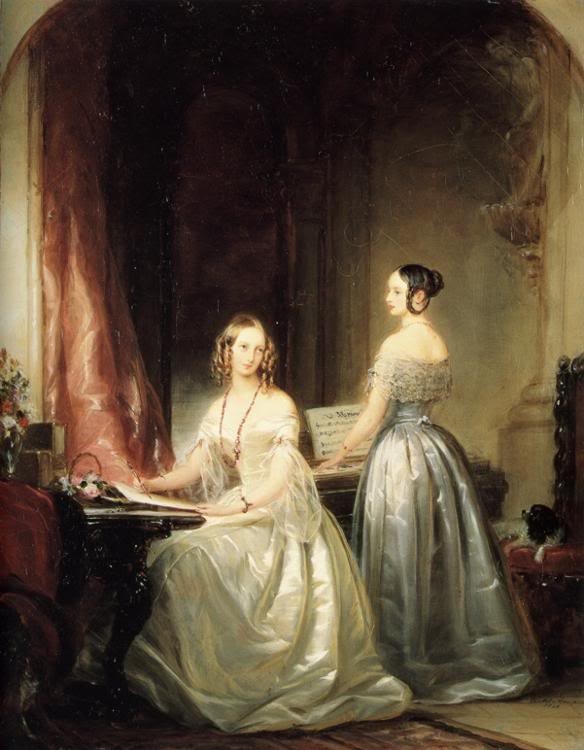
About the Romantic Era (19th century) and Frederich Chopin’s Minute Waltz op 64 No.1

photo by https://byronsmuse.wordpress.com/tag/romantic-era/


This beautiful piece of music that I have recorded is a minute waltz composed by Polish composer Friedrich Chopin during the 19th century (Romantic-era music). Musical compositions are always intertwined with art, architecture, literature, a social, religious, political movement, and the environmental situation of a particular time period the composer lived in. If you are an artist or a lover of art you could make a musical connection through the works of romantic period artists like William Blake, JM William Turner, Francisco Goya, Eugene Delacroix and many more artist who had lived during that period, If you are keen on the architecture you could make a connection to the monuments, palaces, and churches built during that period and visualize the stylistic features and the echoes of the music from that period in the walls of those buildings. Most people could make a connection of the literature to romantic music through the contents of the literary work they have read a few examples of such authors and poets are Edgar Allan Poe, Nathaniel Hawthorne, William Wordsworth, William Blake and many more. If you are a historian you could make a connection of social, political, and cultural norms of people who had lived during that period and their taste to art and music.

During the romantic period salon music became popular. Salon was a place where people of aristocracy gathered together to listen to music. Composers like Chopin enjoyed playing to smaller group of people and most of his piano compositions were suitable for such performances. In the romantic period there was a feeling of nationalism that came as a result of Poland’s long struggle for freedom from Czarist rule. The nationalism was expressed quite often in rhythm in Chopin music mostly in his musical compositions like mazurka and polonaises. It was also a period of time where the Age of Enlightenment and social, political norms and rules gave way to liberalism focussing on individualistic thoughts, feelings, and creativity. This change is found in musical form with freedom in rhythm and the harmonies with the use of chromatics, extended chords, dissonance and also prominence was given to beautiful and expressive, dramatic melody line. All these changes would have met complete disapproval from people who lived in the Baroque (17th-century music) and Classic (18th-century music) eras, where composers used to follow strict rules in their composition.

According to Chopin’s biography he got his inspiration for minute waltz from his pet dog chasing its own tail. One can imagine the trill (quick repetitive notes) and the scale passage that gives a visual and auditory effect of the dog chasing its tail. It is time for you all to listen to Romantic period music. The most famous interpretation of Romantic period music is recorded by many concert pianists like  Vladimir Horowitz, Lang Lang, Valentina Lisitsa, Martha Argerich, Danill Trifonov, and many more. Here you can listen to my own rendition of it.

Minute Waltz op 64. No.1- Chopin- Performed by Serena Anthony

Experiencing the Beauty of Music

photo by https://unsplash.com/@pappigo

From classical to jazz to pop to rock to hip hop, we all appreciate a particular genre of music or some enjoy many styles. We also connect certain specific styles or genres of music for a specific occasion. We dance or sing to some tunes, relax to a style of music, worship with a different style, and party with some. But, we all have a style of music that is always close to our heart.

Since my childhood days, I have been curious about why people enjoy a specific style or genre of music. My personal interest in music started with Western classical. From Gregorian chant (middle age music) to 21st century classical there is a deeper connection in my heart to this style. The main reason for it is was my dad who encouraged me to listen to western classical music a lot during my childhood days. The purity in classical music is something that captures my heart. Hymns, choral music, and worship songs are all beautiful pieces of music that have been part of my life and this has been helping me a lot with a spiritual connection to God in my day to day life.

Indian classical music is another beautiful form of music that I enjoy listening to both in live concerts and recorded formats. It is the pure sounds of vocals, strings, keys, wind, and Indian percussions that are a breeze to my ears. Zakir Hussain has been my favorite Indian percussionist (tabla player) since my childhood days and I greatly appreciate his musical style.

Apart from classical I also enjoy jazz, thanks to Berklee college of music which helped me to cherish playing this genre. The improvisation part of this musical style helped me to explore the instrument with more creativity and confidence.

During my childhood days, it was hard for me to accept the fact that people can have different tastes in music. I often used to wonder why some people find it difficult to enjoy classical music.

As time went on, I started learning a lot from exploring what others enjoy in music.  At my young age, whenever I listened to opera my grandmother used to say please turn off the howling music. She seriously thought that people are howling. Even when I try to explain the beauty of it she was not able to understand. She had a different taste in music, she used to listen to church songs written in our mother tongue Tamil with Indian folk music style and she absolutely loved singing them. She obviously was listening and singing music that she understood in her own language for several years and hence she was not able to connect herself with the opera style and lyrics. At that age, it was hard for me to comprehend but I learned something of her style and considered it as a beautiful experience.

During my teenage years, a group of friends used to discuss how it is meaningless for them to listen to instrumental music without vocals. I remember one of my classmates mentioned that she cannot wait for the vocalist to begin as soon as the instrumentalist starts with the introduction (prelude). This might be because of the strong vocal influence on Indian movie music which is still quite popular among a large group of audiences in India or it could be a universal thing as well. Voice is the easiest available instrument to all and it is easy to make an expressive connection to music with voice and that could explain it as well. As a 90’s kid, I grew up listening to composer AR.Rahman who in my view is a skillful master of the art of fusion and Indian music.

After my married life, I got introduced to even a wider genre of music. I was already familiar with pop and rock music but hard rock was a whole new genre to me. My husband grew up appreciating all styles of music which has a great impact on my musical interests as well. When he played Led Zeppelin to me for the first time I thought why would someone scream at the top of their voice instead of singing and then he added Pink Floyd, Metallica, Deep Purple, Def Leopard and many such artists to my listening list. My initial reaction to this kind of music was aghast. But slowly I started appreciating the different tonalities of the instruments and how the vocalist modulated their voices to create certain effects on their music. My earlier assumptions on appreciating certain kinds of music changed at this point in time. I started believing people can be trained to listen and appreciate new genres as well even when it is not influenced by their childhood environment.

One thing that I had always appreciated in my dad was his careful choice of lyrics in the music that we were introduced to. Music that is with inappropriate lyrics was not allowed in our house and I am following that trend with my children and students as well. This is because I believe that music is powerful and it has a great impact on shaping the minds of children and so being mindful of the lyrics that they listen to is very important.

Now, a whole era of musical genre like hip hop, electro, fusion each with many sub-genres has come into existence. This is the era of my daughters. I indeed learn a lot from their musical interests also. They both enjoy playing piano in classical music style but as classical music requires a lot more hard work they prefer interleaving their practice with other genres of their interest as well. In my opinion, it is always good for children to explore and appreciate a wide range of musical genres and have an understanding of these styles even when they are getting trained to play or sing only one particular genre or style. This would help them to improve their creativity in music

In this blog I have only outlined a few styles and genres. There are a lot more of them apart from the above-mentioned styles that I enjoy listening to. Music is part of everyone’s life and I would love to hear from each one of the readers of my blog about their personal interests, their preferred musical style, and its impacts on their life.