
This beautiful piece of music that I have recorded is a minute waltz composed by Polish composer Friedrich Chopin during the 19th century (Romantic-era music). Musical compositions are always intertwined with art, architecture, literature, a social, religious, political movement, and the environmental situation of a particular time period the composer lived in. If you are an artist or a lover of art you could make a musical connection through the works of romantic period artists like William Blake, JM William Turner, Francisco Goya, Eugene Delacroix and many more artist who had lived during that period, If you are keen on the architecture you could make a connection to the monuments, palaces, and churches built during that period and visualize the stylistic features and the echoes of the music from that period in the walls of those buildings. Most people could make a connection of the literature to romantic music through the contents of the literary work they have read a few examples of such authors and poets are Edgar Allan Poe, Nathaniel Hawthorne, William Wordsworth, William Blake and many more. If you are a historian you could make a connection of social, political, and cultural norms of people who had lived during that period and their taste to art and music.
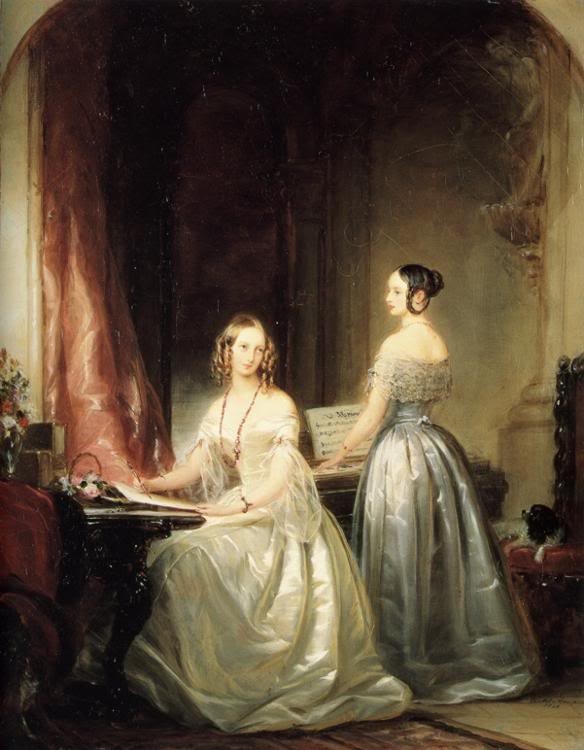
During the romantic period salon music became popular. Salon was a place where people of aristocracy gathered together to listen to music. Composers like Chopin enjoyed playing to smaller group of people and most of his piano compositions were suitable for such performances. In the romantic period there was a feeling of nationalism that came as a result of Poland’s long struggle for freedom from Czarist rule. The nationalism was expressed quite often in rhythm in Chopin music mostly in his musical compositions like mazurka and polonaises. It was also a period of time where the Age of Enlightenment and social, political norms and rules gave way to liberalism focussing on individualistic thoughts, feelings, and creativity. This change is found in musical form with freedom in rhythm and the harmonies with the use of chromatics, extended chords, dissonance and also prominence was given to beautiful and expressive, dramatic melody line. All these changes would have met complete disapproval from people who lived in the Baroque (17th-century music) and Classic (18th-century music) eras, where composers used to follow strict rules in their composition.
According to Chopin’s biography he got his inspiration for minute waltz from his pet dog chasing its own tail. One can imagine the trill (quick repetitive notes) and the scale passage that gives a visual and auditory effect of the dog chasing its tail. It is time for you all to listen to Romantic period music. The most famous interpretation of Romantic period music is recorded by many concert pianists like Vladimir Horowitz, Lang Lang, Valentina Lisitsa, Martha Argerich, Danill Trifonov, and many more. Here you can listen to my own rendition of it.

 Serena Anthony Music Academy
Wow! I mean wowwwwwoooo! Nice weather, slightly drizzling and you posted this bit of lovely tune at right time! Loved it!
LikeLiked by 1 person